Most homeowners don’t walk into a window conversation asking about U-values, spacer systems, or Low-E coatings.
They ask:
- Will new windows make my home more comfortable?
- Will they help improve energy efficiency?
- Will they last?
- Are they worth the investment?
For professionals, that’s an important distinction.
Today’s homeowners are researching more before making decisions, especially as many choose to renovate instead of relocate. At the same time, cautious spending habits and economic factors mean homeowners want confidence that every upgrade delivers meaningful, long-term value.
That’s why the most effective window conversations simplify performance instead of overcomplicating it. When technical window features are connected to real homeowner priorities, it becomes easier to explain value, build confidence, and guide better decisions.
Comfort Starts with Insulating Performance
Drafty rooms, cold spots near windows, inconsistent indoor temperatures, and condensation can all impact how a home feels. That’s where insulating performance becomes important.
One of the most common measurements tied to insulating performance is U-value, which measures how well a window prevents heat from escaping. Lower U-values generally indicate better insulating performance and improved thermal efficiency.
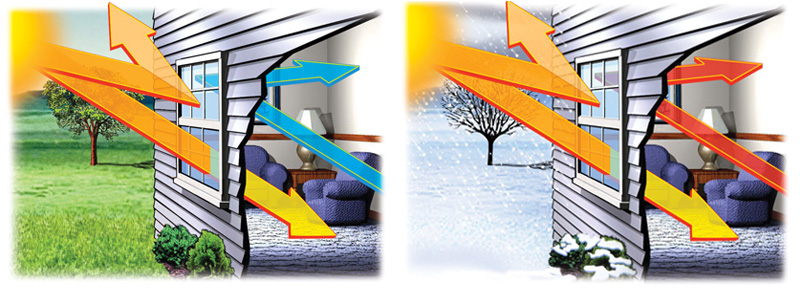
A helpful way to explain this to homeowners is that windows don’t really “let cold air in.” Instead, heat naturally moves from warmer spaces to cooler ones. In winter, heat inside the home tries to escape outdoors. In summer, outdoor heat pushes inward. Higher-performing windows help slow down that heat transfer, supporting more stable indoor temperatures.
But homeowners don’t necessarily care about the U-value itself. They care about what that performance means in real life, such as fewer drafts, more consistent room temperatures, reduced cold spots near windows, and improved comfort year-around.
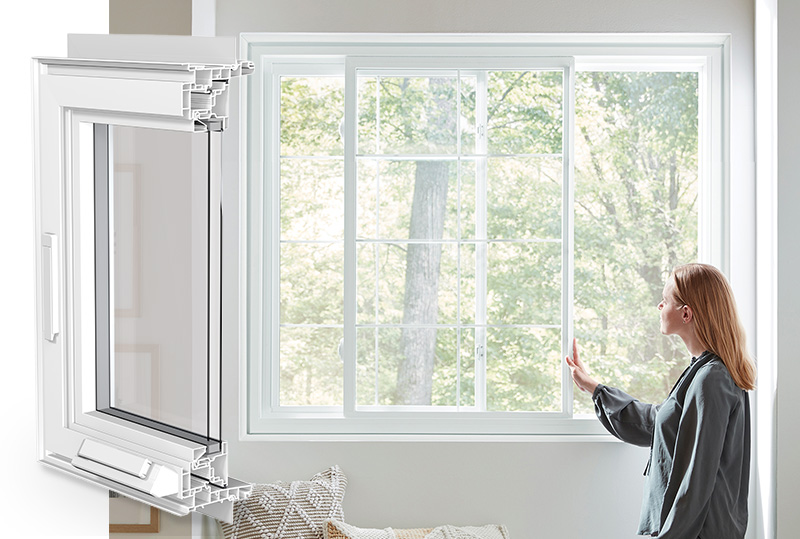
A window’s insulating performance is influenced by multiple components working together, including:
- Frame construction and insulating glass. Frame construction play s an important role in thermal efficiency, durability, and long-term performance. Insulating glass packages also help reduce heat transfer and support more stable indoor temperatures. Together, these components help create windows that perform more consistently in changing weather conditions.
- Spacer systems. Spacer systems separate the panes of glass within an insulating glass unit, but they also contribute to thermal performance and condensation resistance. Advanced warm-edge spacer systems, like Quanex® Super Spacer®, help reduce heat transfer around the edges of the glass where energy loss commonly occurs.
- Air infiltration performance. Air infiltration measures how much outside air passes through a window assembly. Lower air infiltration ratings typically indicate tighter seals and fewer drafts, helping support overall comfort and energy efficiency.
Rather than overwhelming homeowners with technical terminology, it’s often more effective to explain how these features work together as a complete performance system to create a more comfortable living environment.
Managing Heat and Sunlight Improves Energy Efficiency
Many homeowners notice certain rooms in their home feel too hot during the summer, experience glare from direct sunlight, or struggle with rising cooling costs during warmer months. Managing solar heat gain and sunlight exposure plays an important role in overall energy performance and indoor comfort.
One of the most common measurements tied to solar heat management is Solar Heat Gain Coefficient (SHGC), which measures how much solar heat passes through a window. SHGC can influence indoor temperatures, cooling efficiency, HVAC workload, and overall energy usage throughout the year.
Again, homeowners typically care less about the rating itself and more about what it means for everyday living, such as comfort, heat buildup in sunny rooms, and energy efficiency overall.
A window’s ability to manage heat and sunlight is influenced by multiple technologies working together, including:
- Low-E coatings and glass technology. Low-emissivity (Low-E) coatings help reflect heat while still allowing natural light into the home. Combined with advanced glass packages, Low-E technology can help improve year-round energy efficiency, support more consistent indoor temperatures, and reduce excessive solar heat gain.
- UV protection. Certain glass technologies and coatings can also help reduce UV exposure that contributes to fading of flooring, furniture, rugs, artwork, and cabinetry. For homeowners who have invested heavily in their interiors, this becomes an important long-term value conversation.
Just like insulating performance, these technologies work together as part of a larger performance system designed to improve comfort, efficiency, and overall home performance.
Long-Term Performance Matters More Than Ever
As more homeowners are choosing to remodel, durability and long-term value have become increasingly important parts of the conversation. That means window conversations often need to go beyond upfront price alone and focus on long-term performance, comfort, and reliability.
That said, many of the important performance differentiators aren’t immediately visible to homeowners. Features like warm-edge spacer systems, insulating glass packages, and frame construction may not stand out visually, but they can significantly impact how a window performs over time.
Performance ratings verified through organizations like the National Fenestration Rating Council (NFRC) can also help provide more standardized comparisons between products.
Simplifying these conversations can help homeowners feel more confident in their investment decisions, especially when budgets are being evaluated more carefully. Because ultimately, the conversation isn’t just about which window costs less today. It’s about which window will continue performing, protecting comfort, and supporting efficiency for years to come.
Simplifying Performance Builds Trust

When distributors and remodelers connect performance ratings and window technologies to real homeowner priorities, conversations become more approachable, more valuable, and ultimately more effective.
Because at the end of the day, homeowners rarely remember the exact performance numbers.
They remember how their home feels.
Want to learn more about having effective homeowner conversations? Read our 5 tips for winning more remodeling jobs.
—
Frequently Asked Questions Distributors and Remodelers Hear About Window Performance
How do I explain U-value to homeowners in simple terms?
Instead of focusing on the number itself, explain the homeowner benefit. U-value measures how well a window prevents heat from escaping. Lower U-values generally indicate better insulating performance, which can help reduce drafts, improve indoor comfort, and support more consistent temperatures year-round.
What’s the easiest way to explain SHGC to homeowners?
Solar Heat Gain Coefficient (SHGC) measures how much solar heat passes through a window. In simple terms, it helps determine how much heat from the sun enters the home, which can impact indoor comfort and cooling efficiency.
How can I explain Low-E glass without sounding overly technical?
Focus on the outcome rather than the coating itself. Low-E glass helps reflect heat while still allowing natural light into the home. That can help improve energy efficiency, maintain more comfortable indoor temperatures, and reduce UV exposure that contributes to fading.
Why should homeowners care about spacer systems?
Spacer systems help improve insulating performance around the edges of the glass where energy loss commonly occurs. Advanced warm-edge spacer systems can help reduce condensation potential, improve thermal efficiency, support greater indoor comfort, and impact long-term durability.
How do I connect window performance to homeowner comfort?
Most homeowners relate more to everyday experiences than technical ratings. Focus on outcomes like fewer drafts, reduced cold spots, more consistent indoor temperatures, and improved year-round comfort.
How can I help homeowners understand the long-term value of higher-performing windows?
Many homeowners today are renovating with long-term living in mind and evaluating purchases more carefully. Position higher-performing windows as an investment in comfort, efficiency, durability, and overall quality of living.
Explore the breadth of trusted window and patio door brands from AMI.